Healthcare Exemption services
Healthcare exemption services are statutory provisions that grant specific vulnerable groups free-of-charge medical care at public health facilities to bypass user fees and cost-sharing models. These systems target demographics with high medical risks or severe financial constraints to ensure equitable access to essential treatments.
Patients / Clients Categories for Exemption on Health Services
- Prisons
- GBV and VAC (Gender Based Violence & Violence Against Children) Group
- Disabled People
- Chronic Diseases People
- Children Under 5 years
- Pregnant Women
Criteria for Exemption on Healthcare Services
- Exemption service for Above 60 Years Elders should come with their Elders Registration Cards or Letter of Introduction from Local Government Authority in Corresponding to their Legal Passport Sizes
- Exemption service for Under 5 Years Children, Their Parents should come with their Child Clinic Cards / their Children's Birth Certificates
- Exemption service for Disabled People should come with their Letter of Introduction form Local Government Authority in corresponding with their legal Passport sizes
- Exemption service for RCH Pregnant Women should come with their Child Clinic Cards
Chronic Disease People
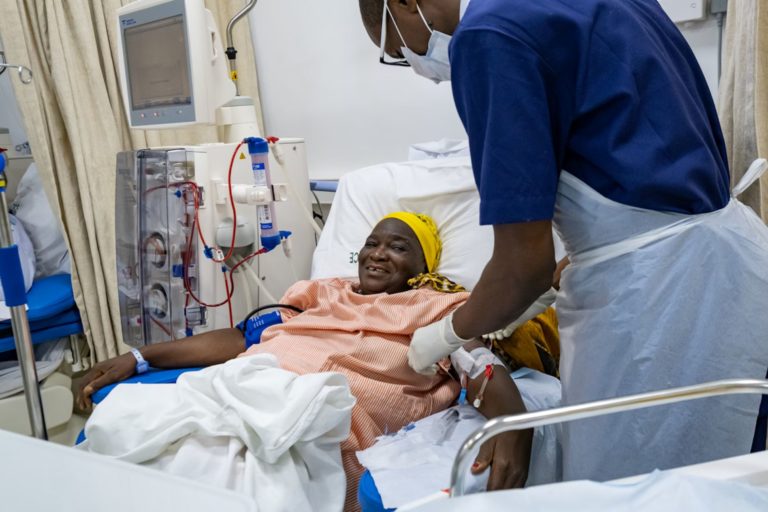
Chronic diseases are long-lasting health conditions lasting one year or more that require ongoing medical care and limit daily activities. Main examples include heart disease, cancer, diabetes, and chronic lung diseases. They are the leading cause of death, disability, and high healthcare spending globally.
Common Types of Chronic Conditions
- Cardiovascular Disease: Heart attacks, strokes, and high blood pressure.
- Cancers: Malignant tumors including lung and colorectal cancers.
- Diabetes: Type 1 and Type 2 metabolic sugar regulation failures.
- Respiratory Illnesses: Chronic obstructive pulmonary disease (COPD) and asthma
Core Risk Factors: Tobacco Use- Smoking causes roughly 480,000 deaths yearly in the U.S. alone and damages vascular and lung tissue.Poor Diet & Inactivity: Contributes heavily to obesity, high blood pressure, and high cholesterol.Alcohol Abuse: Excess use drives liver and heart damage alongside cancer risks.Environmental Exposure: Air pollution accounts for millions of noncommunicable disease deaths globally.
Healthcare Management Strategies: Early Screening: Routine check-ups to catch markers like high glucose or elevated blood pressure early.Lifestyle Changes: Diet adjustment, smoking cessation programs, and increased physical movement.Care Coordination: Multidisciplinary teams tracking patient metrics over long periods rather than short acute visits.
RCH / Pregnant Women
Pregnancy care in the health system involves regular check-ups, screenings, and support from doctors or nurses to keep both mother and baby healthy. Globally, timely medical management helps prevent major risks like high blood pressure, bleeding, and infections.
Routine Check-ups and ScheduleEarly visits: Once a month during weeks 4 through 28.Mid-pregnancy: Twice a month during weeks 28 through 36.Late pregnancy: Weekly from week 36 until birth.Core checks: Blood pressure, weight, urine tests, and tracking fetal growth.
Healthcare exemption services for pregnant women are public policy measures designed to remove financial barriers, ensuring free access to essential reproductive, maternal, and newborn health services at public health facilities regardless of a patient's economic status
Core Exempted ServicesAntenatal Care (ANC): Free routine pregnancy check-ups, early risk identification, and counseling during gestation.Delivery Care: Free normal and comprehensive emergency obstetric care, including institutional deliveries managed by skilled personnel.Postnatal Care (PNC): Free check-ups and essential newborn care provided within the critical early postnatal window (typically 48 hours post-delivery and onward).Medicines and Commodities: Free distribution of vital pregnancy-related commodities like iron and folate supplements, sulfadoxine-pyrimethamine for malaria prevention, and basic diagnostics where available
Children Under 5 Years
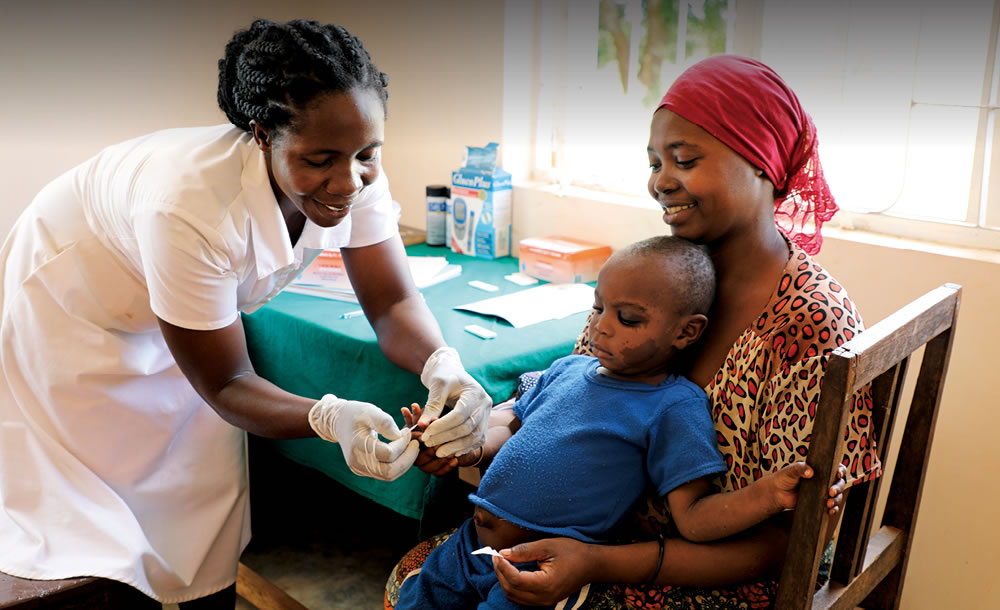
Exemption and Waiver Policy is a healthcare safety net implemented by governments across many developing and lower-middle-income countries to provide completely free healthcare services to children under 5 years of age at public medical facilities. The policy removes user fees at the point of service to lower child mortality rates, eliminate financial barriers for families, and ensure early medical care for vulnerable toddlers.
Core Services Covered Under the Exemption The exemption typically covers a universal package of essential pediatric care, including:Outpatient Consultations: General medical examinations and diagnosis by clinicians.Immunization & Vaccinations: Routine childhood vaccines against polio, measles, and other preventable diseases.Emergency Treatment: Intensive or critical stabilizing care in hospital emergency units.Chronic & Endemic Disease Treatment: Free diagnosis and medication for malaria, severe acute malnutrition, diarrheal diseases, and pediatric HIV.Inpatient Care: Free ward admissions and overnight hospitalizations when required
Eligibility & RulesAge Verification: The service is universally applicable to all infants and toddlers up to their 5th birthday (0 to 59 months). Caregivers usually must present a clinic card or birth notification.Income Exemption: Unlike waivers for the poor, the under-5 healthcare exemption is universal and applies regardless of whether the parents are wealthy or financially disadvantaged.Facility Restraints: Free services are generally guaranteed at all public health posts, dispensaries, health centers, and regional referral hospitals.

GBV & VAC (Gender Based Voilence and Violence Against Children)
Gender-based violence (GBV) service fee exemptions refer to policies that waive medical, legal, or administrative costs for survivors. In many regional health frameworks, lack of clarity regarding fee exemptions for GBV medical care creates a major barrier, as survivors often face hidden costs or unclear waiver guidelines at healthcare facilities
Overview of GBV Fee Challenges
- Unclear Guidelines: Studies on management protocols show that a significant percentage of healthcare workers report national guidelines lack explicit instructions regarding the fee exemption status for GBV services
- Financial Barriers: Survivors are frequently deterred from seeking immediate forensic examination, treatment, and psychological support due to unexpected out-of-pocket hospital costs.
- Service Gaps: Ambiguity in local execution often means waivers depend on individual facility discretion rather than a guaranteed legal right.
Key Components of Effective Exemption Frameworks
- Free Medical Care: Complete waiver of costs for treatment of physical trauma, sexually transmitted infection (STI) prophylaxis, and emergency contraception.
- Forensic Documentation: Elimination of fees associated with filling out police medical forms (such as the Police Form 3 or equivalent legal medical documentation).
- Transparent Protocols: Clear training for frontline health workers and law enforcement to ensure exemptions are applied uniformly without administrative delay.
Core Services Covered Under the Exemption The exemption typically covers a universal package of essential pediatric care, including:Outpatient Consultations: General medical examinations and diagnosis by clinicians.Immunization & Vaccinations: Routine childhood vaccines against polio, measles, and other preventable diseases.Emergency Treatment: Intensive or critical stabilizing care in hospital emergency units.Chronic & Endemic Disease Treatment: Free diagnosis and medication for malaria, severe acute malnutrition, diarrheal diseases, and pediatric HIV.Inpatient Care: Free ward admissions and overnight hospitalizations when required
Eligibility & RulesAge Verification: The service is universally applicable to all infants and toddlers up to their 5th birthday (0 to 59 months). Caregivers usually must present a clinic card or birth notification.Income Exemption: Unlike waivers for the poor, the under-5 healthcare exemption is universal and applies regardless of whether the parents are wealthy or financially disadvantaged.Facility Restraints: Free services are generally guaranteed at all public health posts, dispensaries, health centers, and regional referral hospitals.