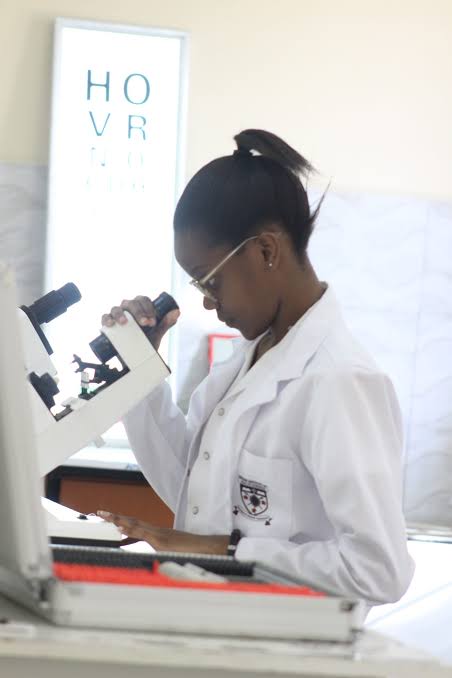
An eye clinic provides routine checkups, vision tests, and medical or surgical care for eye problems. You can visit specialists like ophthalmologists or optometrists for help with glasses, infections, or diseases
All eye care specialists play an important role in maintaining your eye health and vision. But they all have different specialties. Ophthalmologists and optometrists are eye doctors who diagnose and treat issues that affect your eyes. Opticians help you choose the right corrective lenses. And ocularists make and maintain prosthetic eyes.
The type of eye specialist you need to see depends on which symptoms you’re experiencing and which issues or conditions you need to address: You’ll probably visit an optometrist for your routine eye exam every few years. They can also diagnose and treat the most common conditions that affect your eyes. They specialize in glasses and contacts. You’ll need to visit an ophthalmologist if you need advanced care, or if you need eye surgery. They can also provide all your regular eye care, too, including performing general eye exams and giving you prescriptions for glasses. Opticians usually work with optometrists and ophthalmologists. They can check the fit of your eyeglasses or contact lenses and show you how to wear them safely.
Read MoreComplete medical and surgical care for eyes. These clinics handle routine eye tests, treat complex eye diseases, and perform delicate eye surgeries like cataract removal and laser vision correction.
Complete medical and surgical care for eyes. These clinics handle routine eye tests, treat complex eye diseases, and perform delicate eye surgeries like cataract removal and laser vision correction.
Ophthalmologists are medical doctors (MDs) or doctors of osteopathy (DOs). They go to medical school and choose to specialize in eyes. They can diagnose and treat any condition that affects your eyes and vision, and they’re the only ones that can perform surgery.
Doctors of optometry (OD), or optometrists, go to optometry school. They can diagnose and treat lots of common eye diseases and vision problems, but they can’t perform surgery.
Rural oral health programs have established patient advisory groups to guide their projects to identify and understand the needs of their priority population. In some cases, food, transportation, and modest compensation are offered to advisory group members to improve participation.
Health commons sites are primary care safety net practices that include medical, dental, behavioral, public health, and social services. This approach has been used to integrate oral health and primary care for rural people with lower incomes who are uninsured. One community in New Mexico used the health commons approach to pool resources from different public and private partners in the community.